




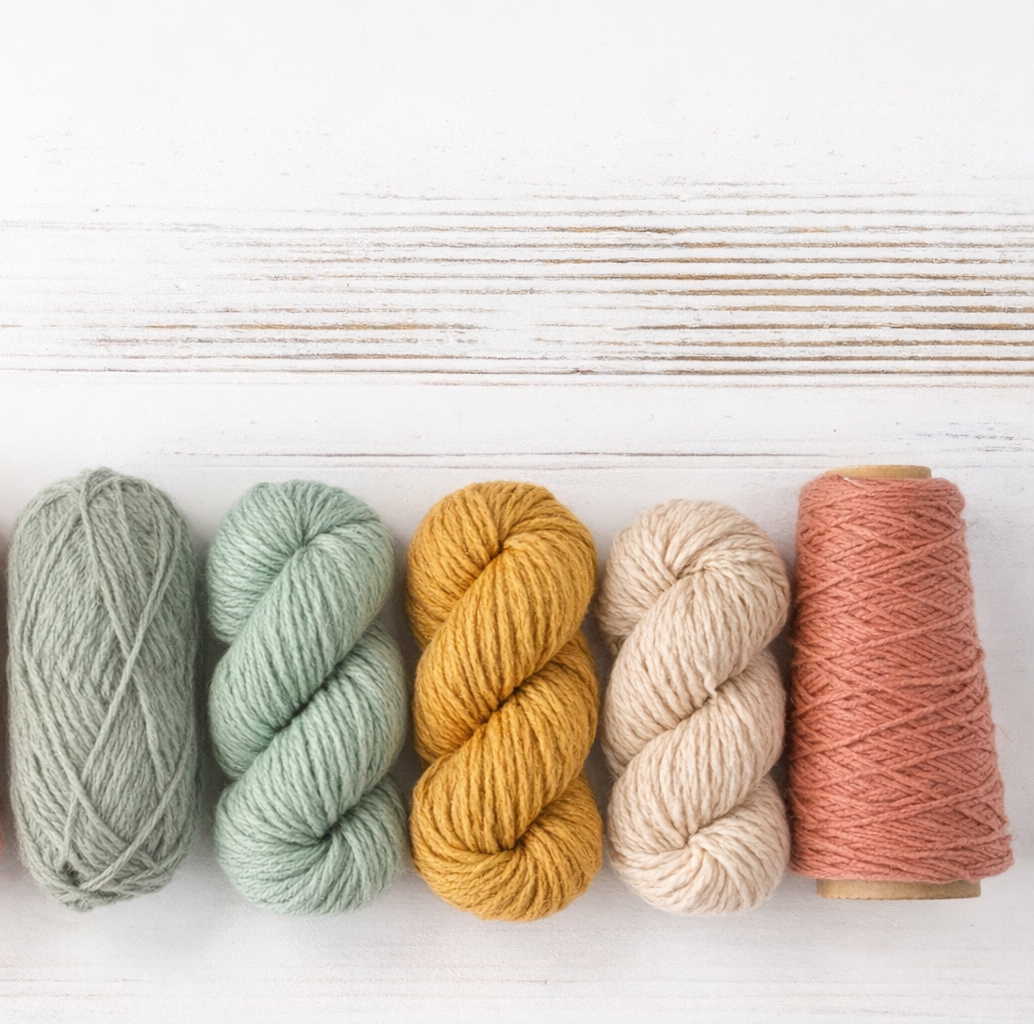
When choosing yarn for a crochet project, fibre type is important, but yarn weight matters just as much.
Yarn weight refers to the thickness of the yarn, and it has a big impact on how your finished project will look, feel, and behave. From delicate lightweight yarns to thick and cosy chunky styles, each yarn weight brings its own texture, drape, warmth, and overall character.
Understanding yarn weights can make it much easier to choose the right yarn for your project. Once you know how each weight works, you’ll feel more confident selecting yarn that suits the look you want to create and the purpose of the finished piece.
What Do Yarn Weight Names Mean?

Yarn weight names can sound a little confusing at first, especially because different countries sometimes use different terms. In simple terms, yarn weight is just a way of describing how thick or thin the yarn is. The lighter the yarn, the finer and more delicate the finished fabric tends to be. The heavier the yarn, the thicker, warmer, and often quicker the project will work up.
Some of the most common yarn weight categories include:
Lightweight Yarn
This includes yarns such as fingering, sport, and DK. These yarns are finer and create a softer, lighter fabric with beautiful drape. They are often used for baby items, garments, shawls, and projects with more delicate detail.
Medium Weight Yarn
This category includes yarns such as worsted and aran. These are some of the most popular and versatile yarn weights because they sit nicely in the middle — not too fine and not too bulky. They are comfortable to work with, show stitches clearly, and suit a wide range of projects.
Bulky or Chunky Yarn
Bulky and chunky yarns are thicker and create a soft, plush fabric that works up quickly. These yarns are perfect for cosy blankets, scarves, cushions, and projects where you want warmth and texture.
Because yarn terms can vary from country to country, it can also be helpful to check the yarn label for recommended hook or needle size, meterage, and tension rather than relying on the name alone.
Lightweight Yarn
Lighter yarns, such as fingering, sport, or DK, are ideal for projects that need softness, movement, and a more delicate appearance. They work beautifully for garments, baby pieces, lightweight blankets, shawls, and finer decorative projects. These yarns often create elegant results with lovely drape, making them a favourite for items that need to feel light rather than bulky.
Best for: lightweight blankets, baby clothes, shawls, and garments
A possible downside: projects can take longer to complete because the yarn is finer and creates smaller stitches
Worsted or Aran Weight Yarn
Worsted or aran weight yarn is one of the most versatile and widely loved choices for crochet and knitting. It offers a beautiful balance of softness, structure, and practicality, which makes it suitable for everything from blankets and scarves to bags and cushions. It works up at a comfortable pace, the stitches are easy to see, and the finished fabric usually has a satisfying weight without feeling too heavy.
Best for: blankets, cushions, bags, scarves, and everyday projects
A possible downside: it can feel a little heavy for more delicate garments or finer decorative pieces
Bulky or Chunky Yarn
Bulky or chunky yarn is perfect when you want something cosy, textured, and quick to make. Its thicker strands create bold, soft stitches that give projects a warm and comforting feel. This type of yarn is especially popular for blankets, oversized scarves, statement cushions, and modern home décor pieces. If you love projects that come together quickly, chunky yarn can be incredibly satisfying to work with.
Best for: cosy blankets, oversized cushions, scarves, and quick projects
A possible downside: larger finished pieces can become quite heavy, especially if the project uses a lot of yarn
How to Choose the Right Yarn Weight for Your Project
The best yarn weight for your project depends on what you are making and how you want it to feel when it is finished. A lighter yarn is a wonderful choice when you want something soft, airy, or delicate. Medium-weight yarn is often the easiest all-rounder, offering versatility and good stitch definition without being too fine or too thick. Chunky yarn is ideal when warmth, softness, and speed are your main priorities.
It can help to ask yourself a few simple questions before choosing your yarn:
- Do I want the finished fabric to feel light or cosy?
- Does this project need drape, or should it hold its shape?
- Am I happy with a slower project, or do I want something that works up quickly?
- Will this item be worn, used daily, or mainly decorative?
The answers can guide you toward a yarn weight that not only suits the project itself, but also makes the making process more enjoyable.
Why Yarn Weight Matters
Yarn weight affects more than just thickness. It also changes the size of your stitches, how much yarn you’ll need, how warm the finished piece will be, and even how the colours appear in the design. A project made in a fine yarn can look elegant and delicate, while the same design in a chunky yarn may feel modern, bold, and cosy.
That is why understanding yarn weight is so useful. It gives you more control over the final result and helps you choose materials with confidence, whether you are following a pattern or creating something of your own.
Final Thoughts
Every yarn weight has its own charm, and there is no single “best” choice for every project. Lightweight yarns are lovely for finer, softer makes, medium weights are dependable and versatile, and chunky yarns are warm, bold, and wonderfully quick to work with. Once you understand how yarn weights differ, it becomes much easier to choose the right one for your project and bring your creative ideas to life.

No Comment Found.