






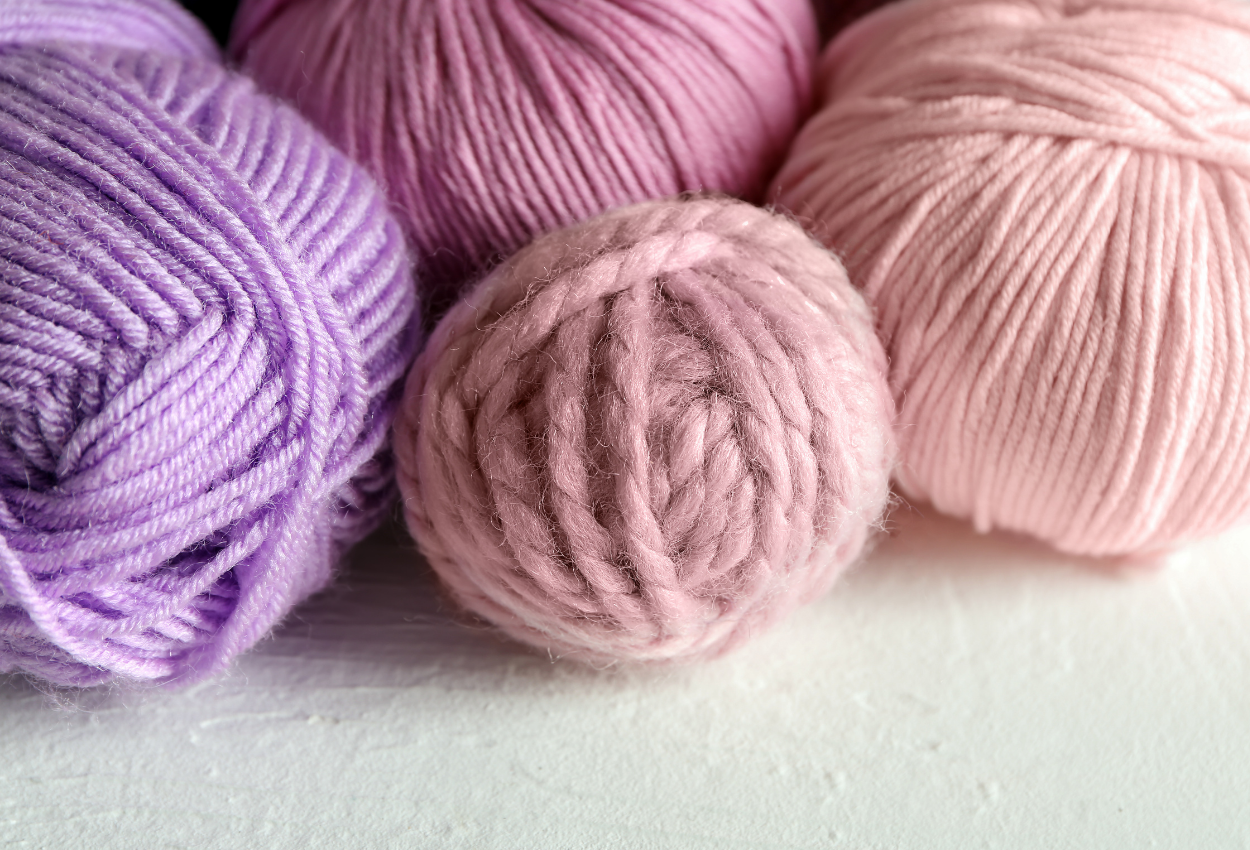
If you’ve ever followed a crochet pattern from the United States, you’ve probably noticed that yarn weights can be described quite differently from the terms commonly used in Australia.
US patterns often use names like fingering, sport, worsted, and bulky, while Australian yarn is more often labelled by ply, such as 4 ply, 8 ply, or 10 ply. This can feel a little confusing at first, especially when you’re trying to find the right yarn substitute.
The good news is that once you understand the basic equivalents, it becomes much easier to match a US yarn weight to an Australian one and choose a yarn that will give you a similar result.
Common US to Australian Yarn Conversions
Here is a simple guide to help translate common US yarn names into Australian yarn weights:
| US Yarn Name | Australian Equivalent |
|---|---|
| Lace | 2 ply |
| Fingering / Sock | 4 ply |
| Sport | 5 ply to 6 ply |
| DK / Light Worsted | 8 ply |
| Worsted / Aran | 10 ply |
| Bulky | 12 ply |
| Super Bulky | 14 ply and above |
Please note that these conversions are a general guide only. Yarn thickness can vary between brands, so it’s always a good idea to check the yarn label for meterage, gauge, and recommended hook or needle size before substituting.
A Helpful Note About Yarn Substitution
While this guide is very useful as a starting point, yarn weights are not always a perfect match from one brand to another. Two yarns may both be labelled 10 ply, for example, but still feel slightly different depending on the fibre, twist, and thickness. That’s why it’s always worth checking a few extra details before substituting yarn in a pattern.
Looking at the meterage, recommended hook or needle size, and gauge can help you choose a yarn that behaves more like the original, rather than relying on the name alone.
The Most Common Conversion
One of the most common questions crocheters ask is what to use in Australia when a US pattern calls for worsted weight yarn. In most cases, the closest Australian equivalent is 10 ply. If a pattern calls for bulky yarn, you will usually want to look for 12 ply or chunky yarn in Australia.
These are not exact matches every single time, but they are usually the best place to start when choosing a substitute.
Why This Matters
Understanding yarn conversions can make international patterns feel much less intimidating. It allows you to shop more confidently, use what is available locally, and still achieve a beautiful finished result. Once you become familiar with the common terms, switching between US and Australian yarn labels becomes much easier.
In the end, a simple conversion guide can save a lot of guesswork and help you enjoy the creative process even more.

No Comment Found.